SpaceX turns down military contracts as Spanish rocket nears launch
A major US space firm rejected three government offers while a European startup prepares its first flight.
By Gabriela Flores ·
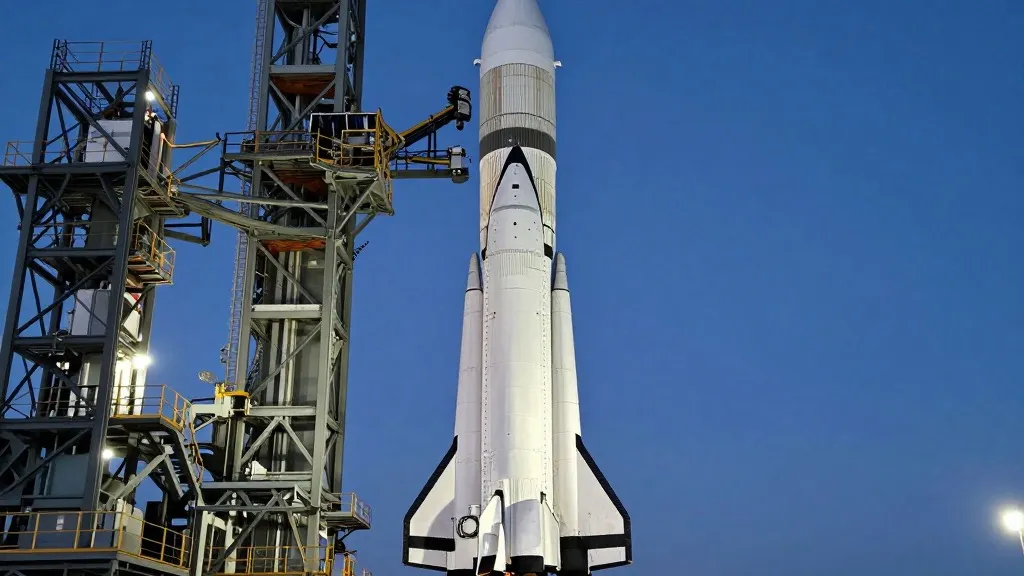
Three military launch contracts were on the table. SpaceX said no. The company told the US Space Force it would not take the deals. This decision stands out in the current space industry landscape. It signals a specific strategic choice by the firm. The rejection happened this week. It adds to a busy period for the company. The news came alongside other significant updates.
The primary claim from SpaceX is simple. They are declining the specific military offers. This move distinguishes their current focus. It suggests they are prioritizing other areas of their business. The Space Force had extended these offers. SpaceX reviewed them but chose to pass. This is not a rejection of all military work. It is a specific pass on three new contracts. The company remains active in the sector. However, these particular deals are off the table.
On the civil side, a different challenge emerged. A NASA safety panel issued a warning. It concerns the Starship rocket. The panel said lunar landings may require up to 22 refuelings. This is a high number. It implies complex logistics for any moon mission. The safety group is reviewing the vehicle's capabilities. The refueling requirement is a key variable. It affects the timeline and cost of future lunar operations. This is an open question for engineers and planners alike.
Meanwhile, in Spain, progress is being made. PLD Space is preparing its Miura 5 rocket. The company says it is nearing final integration. This vehicle is slated for its first launch next year. Aviation Week reported on the status update. The rocket is one of three built so far. The other two are for testing key systems. CEO Raúl Torres provided details on October 19. He explained the manufacturing process.
Torres noted that building three vehicles helped the team. It allowed for continuous work across production stages. Lessons from testing were applied directly to the launch vehicle. This iterative process is common in aerospace. One second stage is now fully integrated. It is ready for system-level testing. The tests will happen under representative operating conditions. The location is PLD’s Teruel test facility.
The qualification campaign is underway. It includes a wet dress rehearsal. It also includes a static hot-fire test. These are standard but critical steps. They ensure the engine and structure can handle the stress. The company targets a first flight before mid-2027. This timeline is aggressive but specific. It places the rocket on a clear path to orbit. The integration phase is the current focus.
In Canada, another startup is seeking capital. Reaction Dynamics is raising funds. The goal is to secure $350 million. This money is for growth. The company wants to expand its staff. It currently has 68 employees. The target is more than 350 people. This significant increase is needed for development.
Reaction Dynamics is building the Aurora rocket. It is a small-lift vehicle. The company hopes to reach orbit with it in 2028. They also have plans for a larger rocket. This medium-lift vehicle is called Borealis. Its debut is planned for 2031. The fundraising effort is a key step. It supports both projects. The industry is seeing a wave of new entrants. Each is aiming for a different launch window.
Source: Ars Technica