SpaceX Analysts Jolt Stock With $500 JPMorgan Target After Record Q3
A surprise surge in AI revenue and aggressive expansion plans triggered a wave of price target hikes for the space and tech giant following its October 20 earnings release.
By Imani Brooks ·
The most striking figure from SpaceX’s latest financial report is not the revenue, but the guidance: executives projected first-quarter 2027 revenue between $33 billion and $37 billion, a figure that significantly outpaced analyst models hovering around $22 billion. This aggressive outlook, coupled with a third-quarter revenue haul of $14.6 billion, sent shares soaring in the premarket on October 21. The company’s top-line growth of 161 percent year-over-year comfortably exceeded consensus estimates of approximately $12.7 billion, marking a decisive shift in investor sentiment following the market close on October 20.
The financial performance was underpinned by a dramatic transformation in the company’s revenue mix. The Super Intelligence division, which focuses on AI, generated roughly $7.6 billion in the quarter, growing nearly 830 percent year-over-year to become the largest revenue contributor. This segment now eclipses the Connectivity business, which delivered $5.2 billion driven by strong subscriber additions that expanded the Starlink consumer base to 13.6 million. The company also swung to a net profit of $4.4 billion, reversing a loss from the prior year, with adjusted EBITDA reaching $8.8 billion.
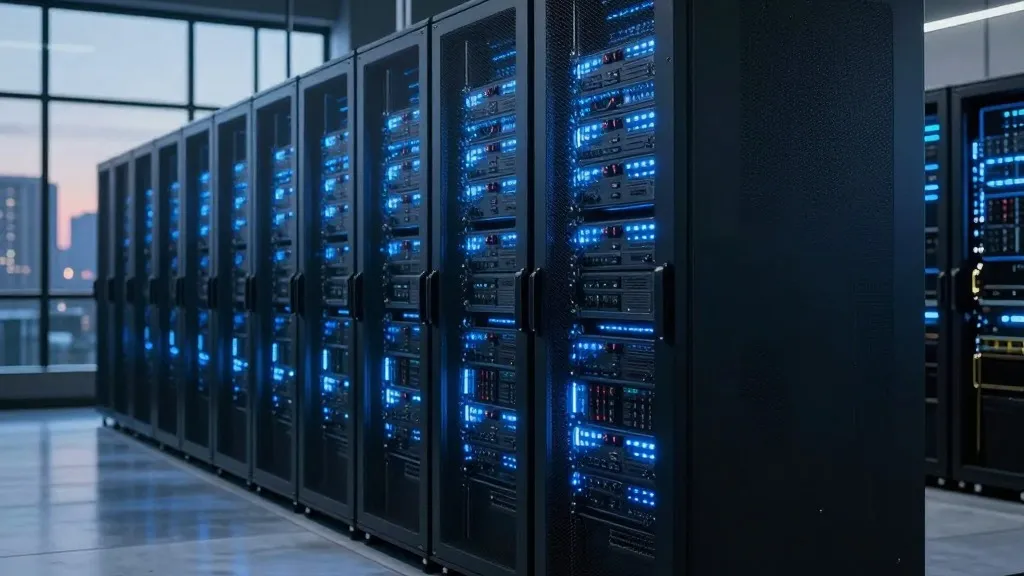
The catalyst for the market reaction was the earnings call, where CEO Elon Musk and CFO Bret Johnsen outlined a capital expenditure plan of $35 billion to $40 billion for the fourth quarter. This spending is primarily directed toward AI compute infrastructure at sites in Memphis and Southaven. Management targets 2.5 to 3 gigawatts of nameplate compute capacity by the end of 2026, with pathways discussed for reaching 13 gigawatts or more by the end of 2027. Musk characterized demand from hyperscalers as relentless, noting that compute pricing supports payback periods of less than a year, potentially as short as six months.
Reaction on Wall Street has been immediate and overwhelmingly bullish, though the magnitude of the adjustments raises questions about the sustainability of such rapid re-rating. JPMorgan more than doubled its price target to $500 from $240, maintaining an Overweight rating. Other major firms followed suit with significant increases: Cantor Fitzgerald raised its target to $345 from $246, Barclays to $300 from $254, and Wells Fargo to $274 from $214. Clear Street adjusted its view upward to $248, while Citi, UBS, and TD Cowen raised targets to $240, $230, and $224, respectively, all maintaining Buy or Overweight stances. Morgan Stanley held its Overweight rating with a $300 target.
Analysts broadly cited the strong quarterly print, accelerating AI compute expansion, and progress in Starlink and Starship as the primary drivers for these higher long-term growth projections. The Starship program’s recent orbital success and the deployment of V3 satellites were highlighted as key milestones. Additionally, the rapid adoption of the Grok Bot and plans for spectrum expansion were noted as contributing factors to the company’s expanding ecosystem.
Beyond financial metrics, the call included discussions on strategic directions that could further complicate the investment thesis. Management mentioned the formation of special committees to explore a possible combination with Tesla, adding another layer of potential value creation or integration complexity. These elements, alongside the strong pricing momentum in Starlink enterprise services, contributed to the wave of price-target increases observed across the sector.
As of early trading on October 21, shares jumped roughly 8 percent from the October 20 close of $147.79. The average analyst price target has moved higher, reflecting greater conviction in SpaceX’s trajectory across launch, connectivity, and the Super Intelligence business. However, the sheer scale of the planned capital expenditure remains a point of focus for skeptics, who are watching closely to see if the projected revenue growth can keep pace with the aggressive spending required to build out the AI infrastructure.
The next few weeks will be critical as the market digests the new guidance and the specific milestones outlined for the remainder of the year. Investors will be looking for confirmation that the 830 percent growth in the AI division is sustainable and that the physical infrastructure build-out in Memphis and Southaven is progressing on schedule. For now, the stock’s performance suggests that the Street is willing to bet on the company’s ability to convert its massive capital commitments into continued exponential growth.
Source: Teslarati